Geopolitics and democratic legitimacy. The case of Venezuela in the current international scenario
Summary:
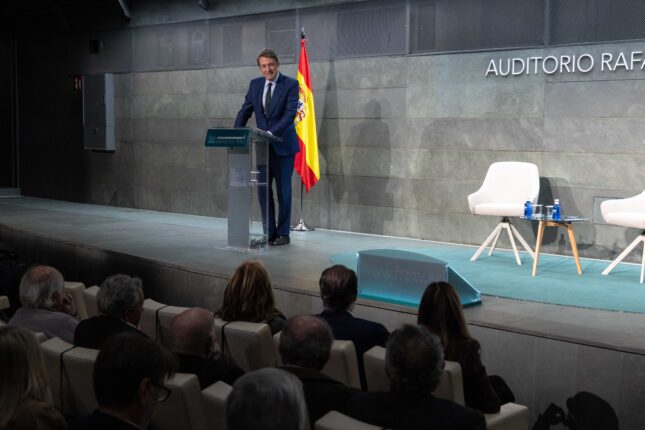
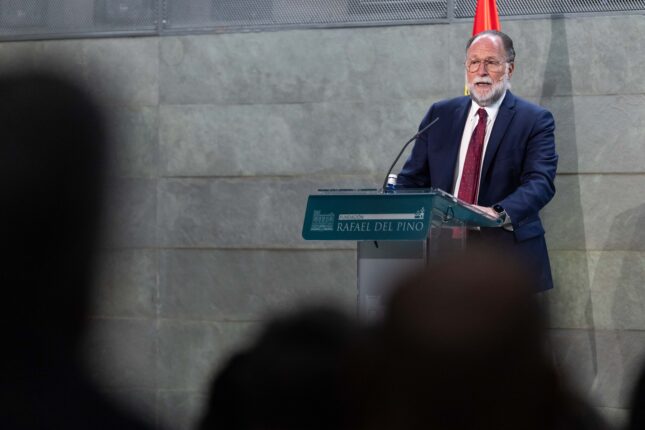
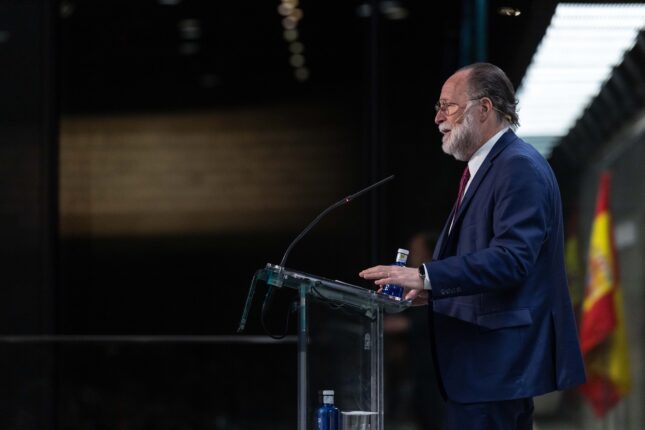
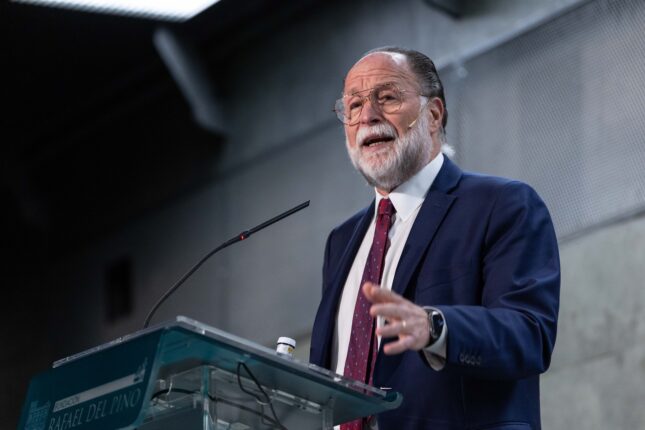
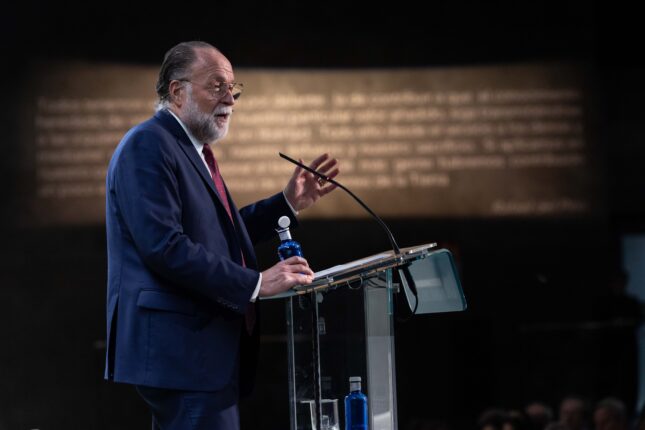
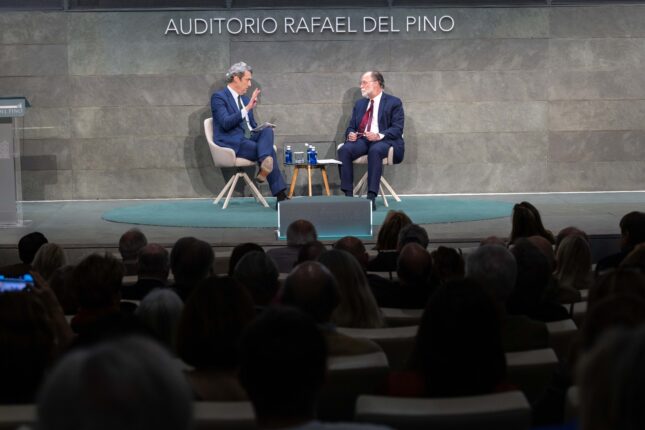
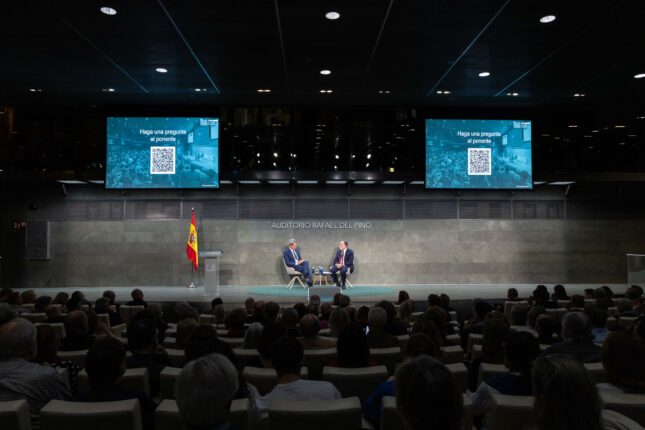
On 25 February 2026, the Rafael del Pino Foundation held the Master Conference «Geopolitics and democratic legitimacy. The case of Venezuela in the current international scenario», delivered by the economist Ricardo Hausmann, Professor at the Harvard Kennedy School and Director of the Harvard University Growth Lab. The session offered a wide-ranging analysis that connected the evolution of the international order with the Venezuelan crisis and its prospects for resolution.
An international order under review
Hausmann placed his speech in the context of a structural change in the international system that emerged after the Second World War. In his opinion, the rules-based order - based on cooperation, trust between allies and self-restraint on the part of the great powers - is undergoing a phase of revision driven by new power dynamics and by the questioning of the benefits of multilateralism in some decision-making centres.
In this context, he underlined that predictability and credibility have been key assets for the stability of the system and warned that their erosion may generate strategic costs in the medium term, especially in the ability to build broad international coalitions.
Europe in the new geopolitical environment
At the European level, the speaker noted that recent geopolitical realignments force a rethink of the continent's security architecture. He noted that historical dependence on the US defence umbrella conditioned the EU's institutional design, and that the new strategic environment raises questions about Europe's deterrence capability and the degree of political integration needed to sustain it in the future.
In his view, the debate on European strategic autonomy is set to intensify in the coming years, in parallel to the redefinition of the role of the United States in the international system.
Venezuela: the scale of the collapse
Turning to the Venezuelan case, Hausmann described the country's crisis as one of the deepest economic and institutional collapses ever recorded in the absence of war. He illustrated the magnitude of the output contraction and linked it to the destruction of the productive fabric, the weakening of property rights and the systematic erosion of democratic institutions.
In his analysis, the Venezuelan experience highlights the limitations of the international architecture to respond effectively to processes of protracted democratic deterioration.
The recovery sequence
The economist argued that any sustainable recovery strategy must place the full restoration of the rule of law at its core. In his opinion, the sequence between economic stabilisation, productive recovery and political transition is not neutral: without credible institutional guarantees - including effective political rights, legal certainty and clear competition rules - it is unlikely that the massive return of emigrated human capital and the inflow of long-term investment will take place.
In this regard, he stressed that Venezuela's reconstruction depends to a large extent on recreating incentives that make the return of the diaspora and the mobilisation of dispersed productive knowledge viable.
Keys to dialogue with the public
During the ensuing colloquium, issues of global democratic backsliding, the coherence of the multilateral system, the effective distribution of power within Venezuela and the conditions necessary for an eventual transition to be irreversible were addressed.
Hausmann insisted that comparative experience shows that economic recovery is strongest when it is supported by a credible institutional framework and widely accepted rules of political coexistence.
The decisive role of society
The session concluded with a reflection on the role of organised society in processes of political change. The speaker stressed that, beyond external incentives, the consolidation of a stable democratic order in Venezuela will ultimately depend on the internal capacity to rebuild basic consensuses, re-establish effective protection of rights and reactivate the mechanisms of trust that underpin economic development and institutional stability.
The Rafael del Pino Foundation is not responsible for the comments, opinions or statements made by the people who participate in its activities and which are expressed as a result of their inalienable right to freedom of expression and under their sole responsibility. The contents included in the summary of this conference are the result of the debates held at the meeting held for this purpose at the Foundation and are the responsibility of their authors.
The Rafael del Pino Foundation is not responsible for any comments, opinions or statements made by third parties. In this respect, the FRP is not obliged to monitor the views expressed by such third parties who participate in its activities and which are expressed as a result of their inalienable right to freedom of expression and under their own responsibility. The contents included in the summary of this conference are the result of the discussions that took place during the conference organised for this purpose at the Foundation and are the sole responsibility of its authors.