The Power of Humanity: Emotional Intelligence for Living and Leading in a Changing World
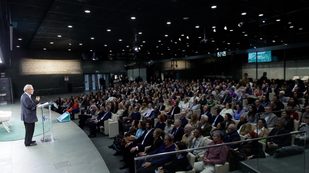
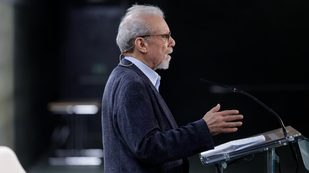
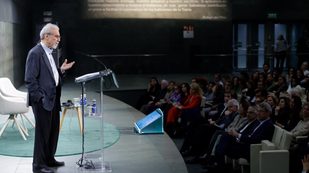
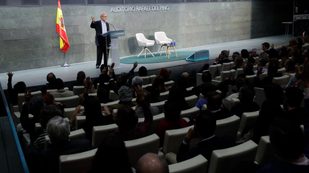
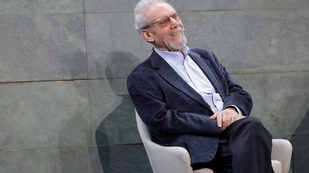
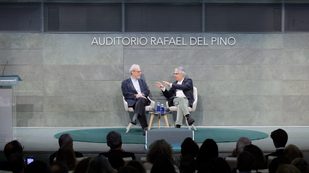
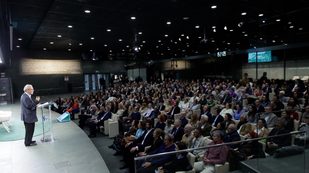
The Rafael del Pino Foundation organised, on 17 November 2026. the keynote lecture «The power of humanity. Emotional intelligence for living and leading in a changing world"which was given by Daniel Goleman, a psychologist, writer and internationally recognised authority on the study of emotional intelligence and its application to leadership, organisations and human relationships. Following his lecture, he spoke with Agustín Pániker, psychologist and science journalist.
In a context characterised by rapid technological advancement, artificial intelligence and the growing complexity of professional environments, emotional intelligence is establishing itself as an essential skill for leadership and decision-making. The ability to understand and manage emotions, develop empathy and build relationships based on trust is becoming increasingly crucial to both individual and collective success.
During his talk, Daniel Goleman will discuss the role of emotional intelligence in talent development, effective leadership and organisational transformation. He will also reflect on the importance of skills such as self-awareness, self-regulation and empathy in a world where technology is redefining the way we work, learn and interact.
Daniel Goleman He is a psychologist, science journalist and the author of numerous books on emotional intelligence, leadership and human behaviour. His work Emotional intelligence, published in 1995, revolutionised our understanding of the factors that determine personal and professional success and became an international bestseller. He holds a PhD in Psychology from Harvard University and has built an outstanding career as a researcher and science communicator; for many years, he worked as a journalist specialising in science and human behaviour at The New York Times. His research and publications have made a decisive contribution to the integration of emotional intelligence into the fields of education, business and leadership.
Agustín Pániker He is an editor, writer and specialist in the cultures, religions and societies of Asia. He is the author of numerous works published by Kairós, including, in particular, Indika, The caste system y The three jewels. He is a lecturer on the Master’s degree programme in Religions and Societies at Pablo de Olavide University and has taught at various Spanish universities. He chairs the Ramuni Paniker Trust Foundation, which is dedicated to cultural exchange between India and Spain. He is a regular contributor to the media and gives lectures and seminars on Asian philosophy, religion and culture.
Summary:
On 17 November 2026, the Rafael del Pino Foundation organised the keynote lecture «The Power of Being Human: Emotional Intelligence for Living and Leading in a Changing World», delivered by the psychologist and writer Daniel Goleman. Following his talk, Goleman spoke with Agustín Pániker, the editor of his works in Spanish, about how to apply emotional intelligence to leadership, education and teamwork.
Emotional intelligence in the age of artificial intelligence
Goleman argued that, as artificial intelligence becomes increasingly integrated into the workplace, human capabilities that enable us to guide, inspire and build trust will become increasingly valuable. To illustrate this, he referred to a study on executives who were hired for their business experience but who ultimately lost their jobs due to difficulties with emotional and interpersonal skills.
The speaker identified four dimensions of emotional intelligence: self-awareness, self-regulation, empathy and relationship management. With regard to empathy, he emphasised the importance of a leader taking a genuine interest in the people on their team. Understanding how they think and how they feel helps to interpret a situation, whilst showing an interest in their wellbeing helps to build the trust needed to work together.
Teams that protect ideas and tell each other the truth
Goleman explained that emotional intelligence is also built collectively, through agreements on how to listen, disagree and collaborate. He cited the example of a laboratory where, when someone puts forward a new idea, the first person to respond must point out the possibilities they see in it. This practice gives nascent ideas the space they need to develop before they are subjected to criticism.
During the discussion, Pániker raised the question of how a leader can tell if their team is only telling them what they want to hear. Goleman emphasised that the quality of decisions depends on people being able to share uncomfortable information frankly. He also applied this idea to the classroom, where, in his view, the teacher’s emotional tone and the trust they inspire influence the conditions for learning.
Attention can be trained
Faced with constant competition for our attention, Goleman suggested a simple exercise: to focus on one’s breathing and return to it whenever a distraction arises. He also suggested setting aside a moment each day to recover from stress and, in response to the audience, reminded them that emotional skills can be developed at any age.
The Rafael del Pino Foundation is not responsible for the comments, opinions or statements made by the people who participate in its activities and which are expressed as a result of their inalienable right to freedom of expression and under their sole responsibility. The contents included in the summary of this conference are the result of the debates held at the meeting held for this purpose at the Foundation and are the responsibility of their authors.
The Rafael del Pino Foundation is not responsible for any comments, opinions or statements made by third parties. In this respect, the FRP is not obliged to monitor the views expressed by such third parties who participate in its activities and which are expressed as a result of their inalienable right to freedom of expression and under their own responsibility. The contents included in the summary of this conference are the result of the discussions that took place during the conference organised for this purpose at the Foundation and are the sole responsibility of its authors.